


Apostille vs. Legalization: What’s the Real Difference?
If you’re planning to use your documents in another country—maybe for studying abroad, business, immigration, or marriage—you’ll probably hear two terms a lot: apostille and legalization. They sound similar, and honestly, many people confuse them. But they’re not the same thing.
Let’s break it down in simple, real-world terms.
What Is an Apostille?
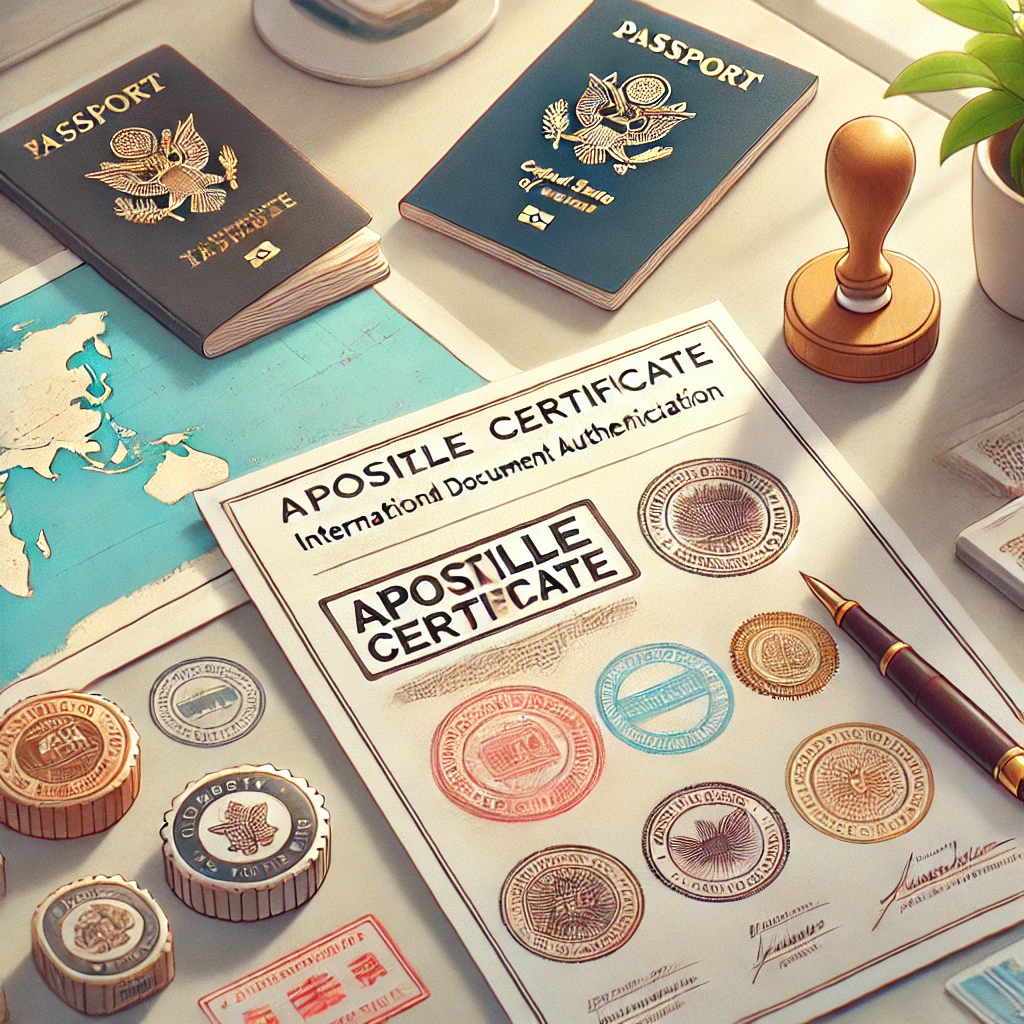
An Apostille is a certificate that proves a document is real and officially recognized so it can be used in another country.
It’s used between countries that are members of the Hague Apostille Convention (1961).
In simple words:
If both countries are members of the Hague Convention, you only need one apostille certificate.
No embassy visits. No extra verification.
Just one stamp from a government authority.
For example:
- A 🇺🇸 US degree used in 🇫🇷 France
- A 🇬🇧 UK birth certificate used in 🇪🇸 Spain
- An 🇦🇺 Australian document used in 🇩🇪 Germany
That’s it. One step.
Key Points About Apostille
- Used between Hague Convention countries
- Only one certification
- Faster and usually cheaper
- Issued by a designated government authority
Legalization is the longer process used when the destination country is not part of the Hague Convention.
Instead of one certificate, your document goes through several verification steps.
Typical legalization process:
What Is Legalization?
The government authority (often the foreign affairs office or secretary of state) simply attaches an apostille certificate to your document.
- Local authority verifies the document
- Foreign affairs ministry authenticates it
- Embassy or consulate of the destination country approves it
For example, if you want to use documents in countries like:
- 🇦🇪 UAE
- 🇶🇦 Qatar
- 🇰🇼 Kuwait
- 🇨🇳 China
You usually need full legalization.
Key Points About Legalization
- Used for non-Hague Convention countries
- Multiple verification steps
- Takes longer
- Usually more expensive
- Requires embassy or consulate approval
Apostille and legalization both confirm that your documents are authentic for international use. The main difference is simply how many steps are required.
If the country accepts apostilles, the process is quick and simple. If not, you’ll go through the longer legalization route.
Either way, getting the right authentication ensures your documents are recognized and accepted abroad without problems.